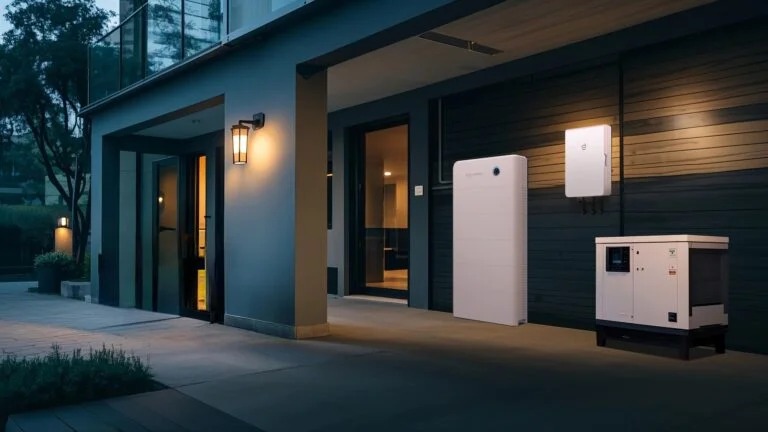
When deciding to go off-grid, homeowners are often torn between buying a pre-packaged kit or commissioning a custom design. Kits offer the allure of simplicity and upfront pricing, which can be very attractive. However, energy needs are rarely identical from one household to another.
A system that is too small will leave you in the dark, while one that is too big wastes money. Finding the balance requires a hard look at your consumption and location. A properly sized Off Grid Solar system is the result of careful calculation, not guesswork.
The Risks of Generic Off Grid Solar Kits
Many online retailers sell “one-size-fits-all” kits that promise to power a standard home. These calculations are often based on ideal conditions that rarely exist in the real world.
Weather Variability in Off Grid Solar
A kit designed for Arizona will fail miserably in the cloudy winters of the Pacific Northwest. Local climate data must be integrated into the system design to ensure reliability during winter. Without this custom analysis, you risk running out of power during the weeks you need it most.
Battery Lifespan in Off Grid Solar
Cheap kits often bundle low-quality lead-acid or budget lithium batteries to keep the price down. These batteries may fail after just a few years of daily cycling, leading to expensive replacement costs. A custom design allows you to select superior options like Nickel-Iron batteries right from the start.
The Value of Solar Off Grid Engineering
Working with a dedicated engineering team ensures that every component is selected to match your specific goals. They can account for unique loads like well pumps, welding equipment, or medical devices.
Tailored Inverters for Solar Off Grid
Not all inverters are created equal; some excel at surge loads while others prioritize efficiency. An engineer will select the inverter brand and model that best fits your load profile. This ensures your system can handle your morning coffee routine and your workshop tools without tripping breakers.
Long-Term Support for Solar Off Grid
Buying a custom system usually comes with a higher level of after-sales support and technical assistance. You have a partner who understands your specific wiring diagram and can help troubleshoot remotely. This relationship is invaluable when you are living miles away from the nearest electrician.
Steps to Solar Off Grid Sizing
To get a system that fits, you must go through a detailed sizing process.
- Load Audit: List every appliance and its wattage rating accurately.
- Usage Hours: Estimate how many hours each device runs per day.
- Surge Analysis: Identify appliances with high starting currents (motors).
- Location Analysis: Determine peak sun hours for your specific coordinates.
- Autonomy Needs: Decide how many days of backup power you require.
- Future Expansion: Plan for potential additions like EVs or guest houses.
- Battery Chemistry: Choose between Lithium, Nickel-Iron, or Lead-Acid.
- Roof vs Ground: Decide where to mount panels based on terrain.
- Budgeting: Allocate funds for quality components over cheap fixes.
- Professional Review: Have an engineer validate your calculations.
Conclusion: Smart Solar Off Grid Investments
While a generic kit might seem cheaper initially, a custom solution pays for itself in reliability and longevity. Avoiding premature equipment failure is the best way to save money over the life of the system. A tailored Solar Off Grid design ensures your investment delivers power every single day.
Take the time to assess your needs accurately and consult with professionals who understand remote energy. The peace of mind that comes from a system designed just for you is priceless. Build it right the first time, and enjoy decades of trouble-free power.